
Last Updated: October 25, 2026
Quick Summary
A welcoming environment families friends requires intentional design across atmosphere, menu variety, entertainment, and hospitality. Creating spaces where people of all ages feel comfortable and valued means balancing noise levels, offering diverse menu options, providing appropriate entertainment, and maintaining consistent quality and cleanliness.
- Booth seating, warm lighting, and adequate table spacing reduce parent anxiety and encourage families to stay longer.
- Menus should include milder options, familiar comfort foods, and portion sizes that serve both kids and adults.
- Entertainment like Friday night karaoke should be scheduled after meals and zoned separately from quiet dining areas.
- Staff training on remembering regular guests and anticipating family needs builds loyalty and trust.
- Accessibility features including wheelchair ramps, accessible restrooms, and clear exits ensure all guests feel welcome.
Table of Contents
- What Makes a Welcoming Environment for Families and Friends?
- Creating a Family-Friendly Restaurant Atmosphere
- Family Entertainment Venue Ideas That Keep Everyone Engaged
- Balancing Live Entertainment and Dining for Mixed Groups
- Restaurant Hospitality Best Practices That Build Trust
- Safety, Cleanliness, and Accessibility for Everyone
- How to Choose the Right Venue for Your Group
- Plan Your Next Family or Friends Gathering Today
- Frequently Asked Questions
What Makes a Welcoming Environment for Families and Friends?
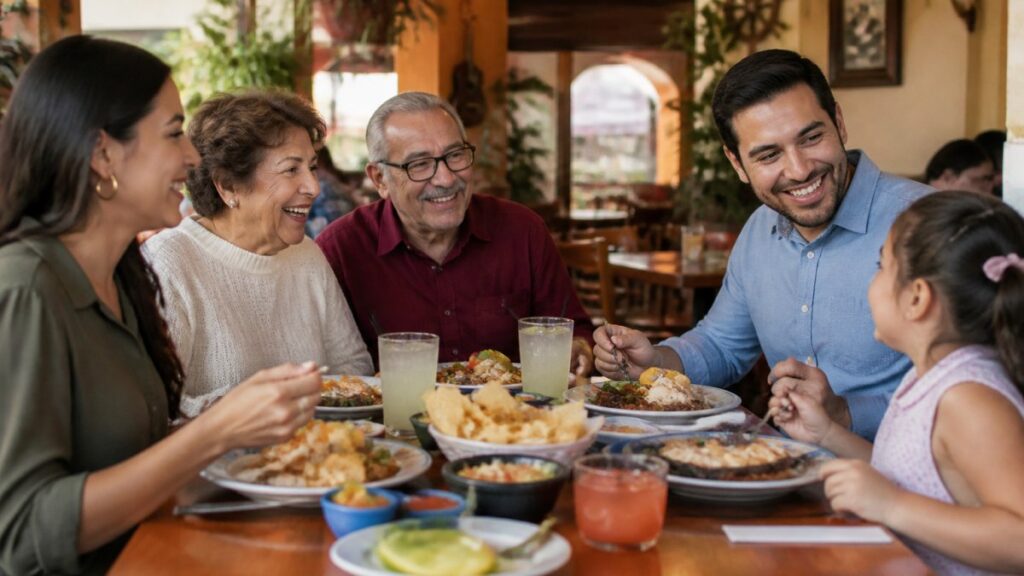
Creating a welcoming environment families friends at entertainment venues goes beyond clean tables and friendly staff. It’s about creating a space where people of all ages feel comfortable, valued, and excited to return.
The foundation starts with atmosphere. Families need to know their kids won’t disturb other guests. Friends want energy and entertainment without chaos. Parents want to relax while their children are safe and engaged. Entertainment venues that balance these needs become destinations, not just places to eat.
What separates good venues from great ones is intentionality. Every detail matters: the noise level, the menu variety, the layout, the entertainment options, and how staff interact with different age groups. A welcoming environment for families and friends means someone thought through what each group needs and planned accordingly.
Creating a Family-Friendly Restaurant Atmosphere
Building a family-friendly restaurant atmosphere requires deliberate choices across multiple dimensions. It’s not enough to say you’re family-friendly. You must design your space, service, and offerings to prove it.
Space and Comfort for All Ages
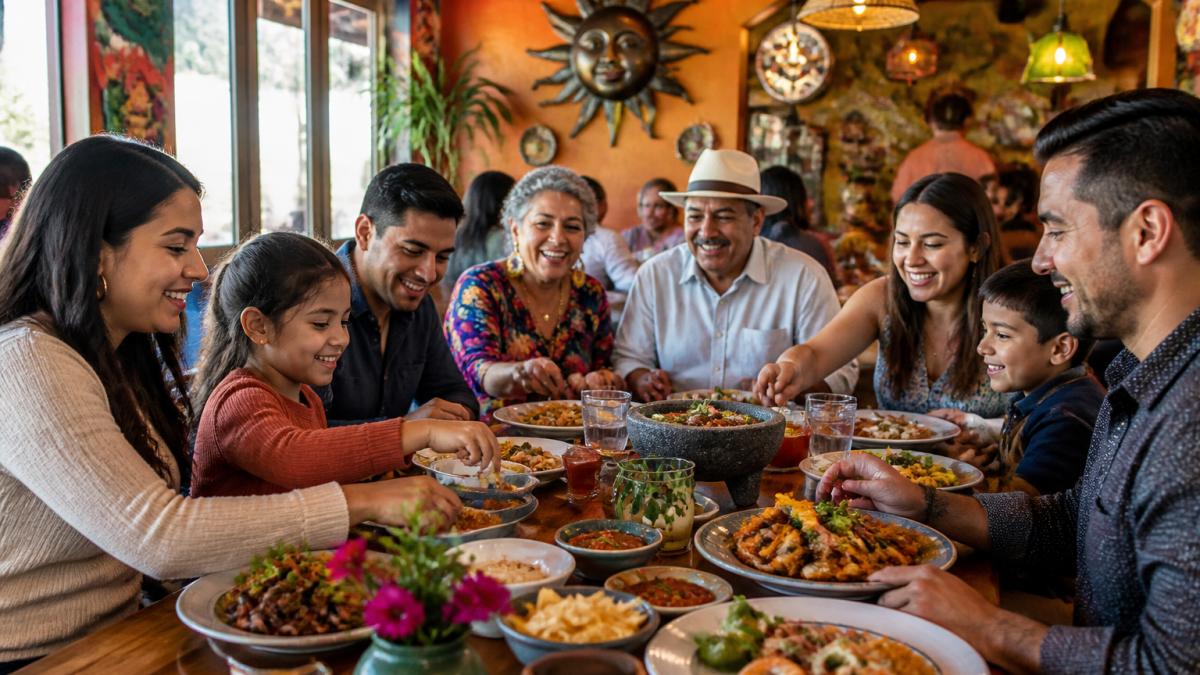
Physical space shapes how welcome people feel. Families with young children need room to move without anxiety. High chairs should be available and clean (the CDC).
Noise management matters more than most venues realize. A completely silent restaurant feels unwelcoming to kids. But excessive noise creates stress for parents trying to have conversations.
Lighting affects comfort too. Bright fluorescent lights feel institutional. Warm, layered lighting makes families feel relaxed. Dimmer sections work well for groups celebrating special occasions.
Table spacing is critical. Cramped seating makes parents anxious about spills or kids bumping neighbors. Adequate spacing gives families breathing room.
Temperature control matters more than people think. Families stay longer when they’re comfortable. Overheated restaurants drive people out. Proper ventilation keeps the air fresh, especially important in venues with lively entertainment and crowds.
Menu Options That Work for Everyone
A true welcoming environment for families and friends means your menu serves everyone at the table.
Offer clearly marked milder options. Kids’ palates differ from adults’, and that’s normal. Provide dishes without heavy spices or with spices on the side.
Include familiar comfort foods alongside specialty items. Grilled chicken, rice, beans, and simple proteins appeal to children. Adults can explore bolder options.
Portion sizes matter. Kids don’t need adult portions, and parents appreciate value. Offering half-portions or kids’ portions at reasonable prices shows you understand family economics.
Vegetarian and dietary restriction options signal inclusivity. Friends often have different dietary needs. Accommodating them without making anyone feel like an afterthought builds loyalty.
Beverages matter too. Beyond soda and water, offer fresh juices, aguas frescas, or other refreshing options that appeal to families.
Family Entertainment Venue Ideas That Keep Everyone Engaged
Entertainment transforms a meal into an experience. The right entertainment keeps kids engaged while adults enjoy conversation. The wrong entertainment creates chaos or boredom.
Live music works when it’s appropriate to the setting. Background musicians or a small band create energy without overwhelming. Karaoke venues attract young adults and friends celebrating.
Games and activities for children keep them occupied during waits. Coloring activities, simple puzzles, or games at tables reduce restlessness. Some venues offer arcade games in designated areas. This keeps kids entertained while parents socialize.
Performance timing matters. A 20-minute wait before entertainment starts feels long with hungry kids. Entertainment scheduled during or after meals keeps energy high without disrupting dining.
Interactive entertainment works better than passive. Karaoke lets guests participate. Photo opportunities create memories. Contests or games involving the audience build community.
Balancing Live Entertainment and Dining for Mixed Groups
The tension between lively entertainment and quality dining is real. Too much entertainment disrupts conversation. Too little feels boring. Mixed groups, some wanting to party, others wanting quiet dining, need flexibility.
Zoning helps. Designate areas for entertainment and areas for quieter dining. This lets groups choose their experience. Some guests want the heart of the action. Others prefer the periphery. Both should feel welcome.
Timing entertainment strategically prevents disruption. Schedule performances after people have ordered and eaten appetizers. This lets diners focus on food first, then enjoy entertainment as a bonus.
Volume control is essential. Amplified entertainment shouldn’t make conversation impossible. Sound systems should be professional enough to deliver entertainment without audio distortion that hurts ears or makes dining unpleasant.
Create multiple experience zones:
- Full-service dining with entertainment ambiance
- Lounge areas for drinks and socializing
- Game or activity areas for kids
- Quieter corners for intimate conversations
This approach respects that friends and families have different needs within the same venue.
Restaurant Hospitality Best Practices That Build Trust
Trust determines whether guests return. When families and friends feel genuinely cared for, they become loyal customers. This trust comes from consistent, genuine hospitality.
Sourcing and Quality Standards
Guests notice quality. Fresh ingredients and honest preparation build credibility. When you say you hand-pick your catch or make salsas from scratch daily, guests believe it because they taste the difference. At El Calamar Restaurant, our commitment to quality sourcing isn’t marketing, it’s how we operate. Families trust us because our food consistently delivers on our promises.
Transparency about sourcing builds confidence. Share where ingredients come from. Explain your process. Guests appreciate honesty about what goes into their food. This is especially important for families concerned about food safety and quality.
Consistency in quality matters more than occasional excellence. Families return when they know what to expect. If your best meal is amazing but your average meal is mediocre, guests hesitate to recommend you. Consistent quality builds trust.
Consistency and Reliability
When you say karaoke happens every Friday, it should happen every Friday. When you promise fresh seafood, deliver it every visit. When you say you’re open at 11 AM, be ready at 11 AM. Reliability builds the trust that makes venues destinations.
Staff training directly impacts hospitality quality. Servers who remember regular guests by name, who anticipate what kids need, who handle spills with grace rather than frustration, these interactions create loyalty. Invest in training staff to understand that families and friends have different needs.
Follow through on promises. If you advertise family-friendly hours or special accommodations, deliver them consistently. Broken promises destroy trust faster than anything else.
Safety, Cleanliness, and Accessibility for Everyone
A welcoming environment families friends must be safe and clean. Parents won’t relax if they worry about their children’s safety.
Cleanliness standards should exceed minimum requirements. High-touch surfaces need frequent cleaning. Restrooms need hourly checks. Kitchen areas should meet or exceed health code standards. Visible cleanliness signals care.
Safety starts with clear exits and unobstructed pathways. Emergency procedures should be in place and staff trained. First aid kits should be accessible.
Accessibility matters for all guests. Wheelchair ramps, accessible restrooms, and parking spaces show inclusion. Menus in large print or digital formats serve guests with vision challenges.
Supervision areas for children should be safe. If you provide kids’ activities, ensure proper sightlines so parents can see their children. Equipment should be age-appropriate and well-maintained.
How to Choose the Right Venue for Your Group
Selecting the right venue depends on your group’s specific needs. Consider these factors:
Group composition: How many kids versus adults? What are the age ranges? Mixed groups need different accommodations than all-adult gatherings.
Event type: Birthday celebration, casual dinner, friend reunion, family milestone? Different events need different atmospheres.
Dietary needs: Does anyone have allergies, restrictions, or preferences? Call ahead to confirm the venue can accommodate.
Entertainment preferences: Do you want live entertainment, or would you prefer a quieter setting? Some groups want karaoke and dancing. Others want conversation-friendly atmosphere.
Accessibility requirements: Does anyone need wheelchair access, high chairs, booster seats, or other accommodations? Confirm availability before booking.
Noise tolerance: Some families prefer energetic, lively venues. Others want quieter environments. Understand your group’s comfort level.
Budget expectations: Different venues have different price points. Confirm what you’ll spend before committing.
Reservation capability: Can the venue accommodate your group size? Do they take reservations? For larger gatherings, confirm they can handle you without excessive wait times.
| Consideration | What to Ask | Why It Matters |
|---|---|---|
| Group size | Can you accommodate 12-15 people? Do you take reservations? | Ensures your group isn’t turned away or split up |
| Kids’ needs | Do you have high chairs? Booster seats? Kids’ menu? | Confirms basic family accommodations exist |
| Entertainment | What entertainment do you offer? When? | Helps match your group’s preferences |
| Menu variety | Can you accommodate dietary restrictions? | Ensures everyone can eat comfortably |
| Accessibility | Do you have wheelchair access? Accessible restrooms? | Confirms inclusion for all group members |
| Noise level | How loud is the venue typically? | Helps match your group’s comfort level |
Plan Your Next Family or Friends Gathering Today
Creating a welcoming environment for families and friends requires intentionality, but the payoff is worth it. Guests who feel genuinely welcome become loyal customers who bring others back.
Book a table at El Calamar Restaurant to experience how we’ve built this welcome since 2007. We hand-pick our seafood daily, prepare our salsas and marinades from scratch, and design our atmosphere specifically for families and friends to gather comfortably.
Learn more about our sourcing standards and commitment to quality that builds the trust families depend on. When you dine with us, you’re supporting a local business that respects both ingredients and guests.
A welcoming environment for families and friends doesn’t happen by accident. It comes from understanding what different groups need, then delivering it consistently.
Frequently Asked Questions
What features help create a welcoming environment for families and friends at a restaurant?
A welcoming environment combines several key elements: comfortable seating that accommodates different group sizes, a menu with options for all ages and dietary preferences, attentive staff who understand family dynamics, clean and safe facilities, and entertainment that doesn’t overwhelm diners. Authentic hospitality, where staff genuinely make guests feel valued, transforms a meal into a memorable gathering. Fresh, quality food prepared with care signals respect for your time and budget, which builds trust across visits.
How can restaurants balance live entertainment with a family-friendly restaurant atmosphere?
The key is timing and volume control. Entertainment should enhance the dining experience rather than compete with conversation. Karaoke nights, live music, or performances work best when they’re scheduled consistently so families know what to expect, and when sound levels allow groups to enjoy both the show and each other. Seating arrangements matter too: offer quieter zones for families with young children while keeping the main dining area energetic. Quality food remains the foundation, entertainment is the complement, not the substitute for good service and fresh ingredients.
Why is sourcing and preparation transparency important when choosing a family entertainment venue?
Parents and group organizers want to know what they’re serving their families. Transparent sourcing, hand-picked seafood, scratch-made salsas and marinades, demonstrates commitment to quality and safety. When a restaurant openly shares its sourcing process and preparation methods, it builds confidence that meals are fresh, carefully handled, and worth the investment. This transparency also signals that the restaurant values the occasion: a family celebration or friends’ night out deserves authentic care, not shortcuts. Ask about sourcing when booking; trustworthy venues welcome the question.
What should families consider when planning a group outing to an entertainment venue?
Start by matching the venue to your group’s needs: age range, dietary preferences, noise tolerance, and the type of celebration. Check reservation policies for larger groups, knowing you have a confirmed table reduces stress. Review the menu in advance so picky eaters and those with allergies feel included. Confirm entertainment schedules so you arrive prepared for the atmosphere. Ask about parking, accessibility, and whether the venue can accommodate special requests. Finally, choose a place with a reputation for consistent quality and genuine hospitality; word-of-mouth recommendations from other families are reliable guides.
